Modern Bazaar
A retail story
Text: Rainer Brenner
Photography: Joëlle Lehmann
From sustainable to circular, modern yet steeped in tradition: the retail area of the Kaiserhaus is becoming more than just a place to shop. Evelyne Roth and Michel Hueter from Kaiserhaus Good Bee spoke with us ahead of the opening about the future of shopping and the appeal of a bazaar.
“Retail is dead. Long live retail,” fashion designer Evelyne Roth and communications expert Michel Hueter explain right at the start of the conversation, outlining the approach of Kaiserhaus Good Bee. The retail space serves as a showcase for pioneering brands, startups, and manufacturers that embrace and practice circular approaches.
In this context, visitors are also encouraged to move beyond their role as mere consumers and, together with the producers, discover new ways of trading, exchanging, and contributing to the creative process.
Within the shop cluster, both established brands and startups have the opportunity to showcase their products. This is because many environmentally and socially responsible brands are small businesses that cannot afford a storefront in a prime location.
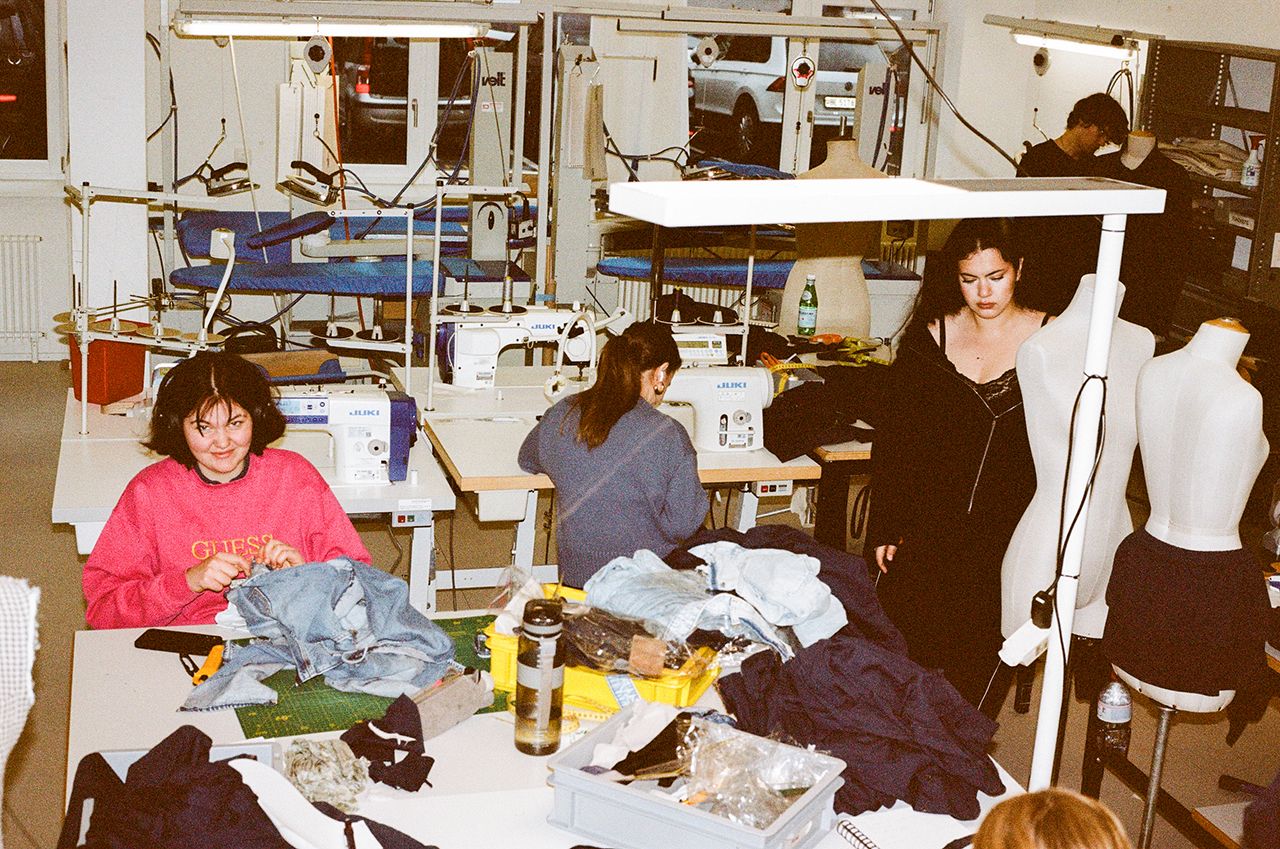
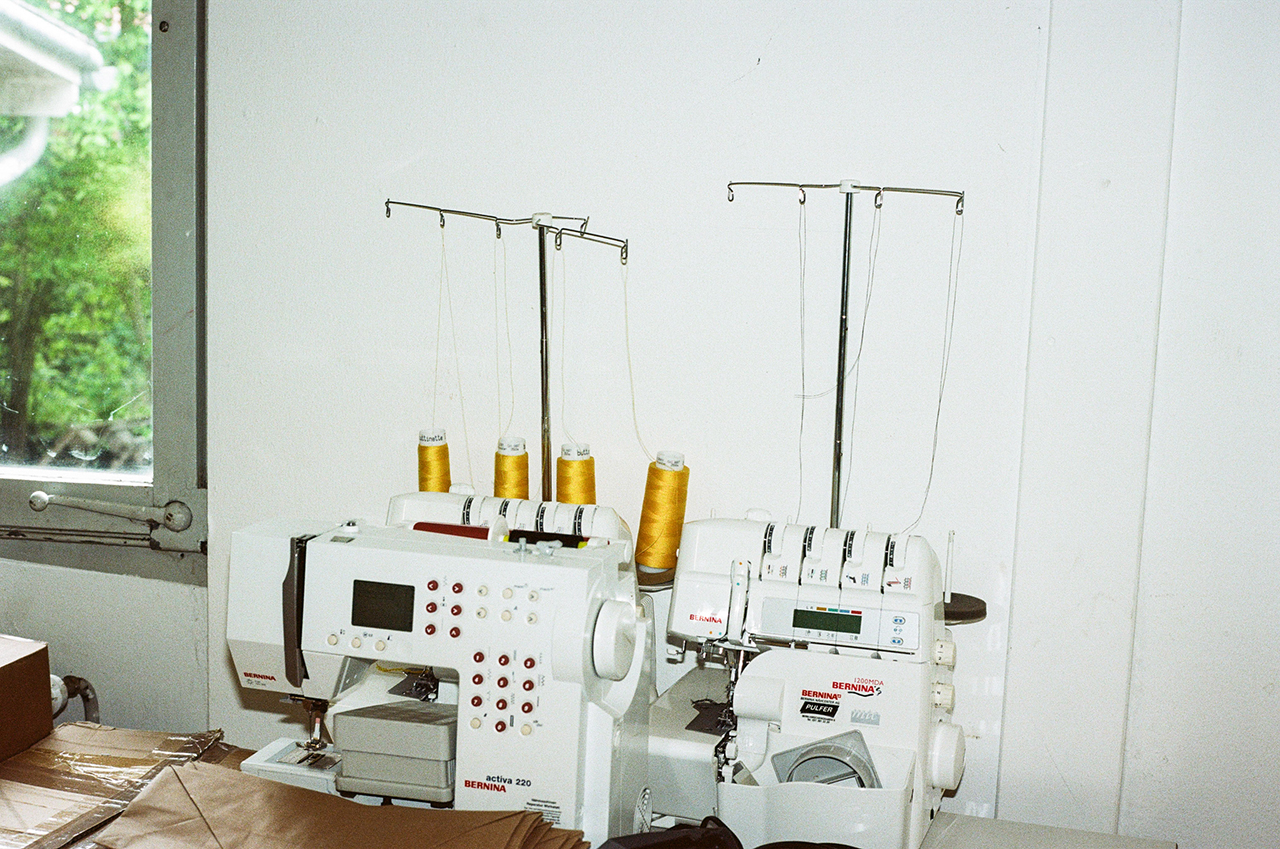
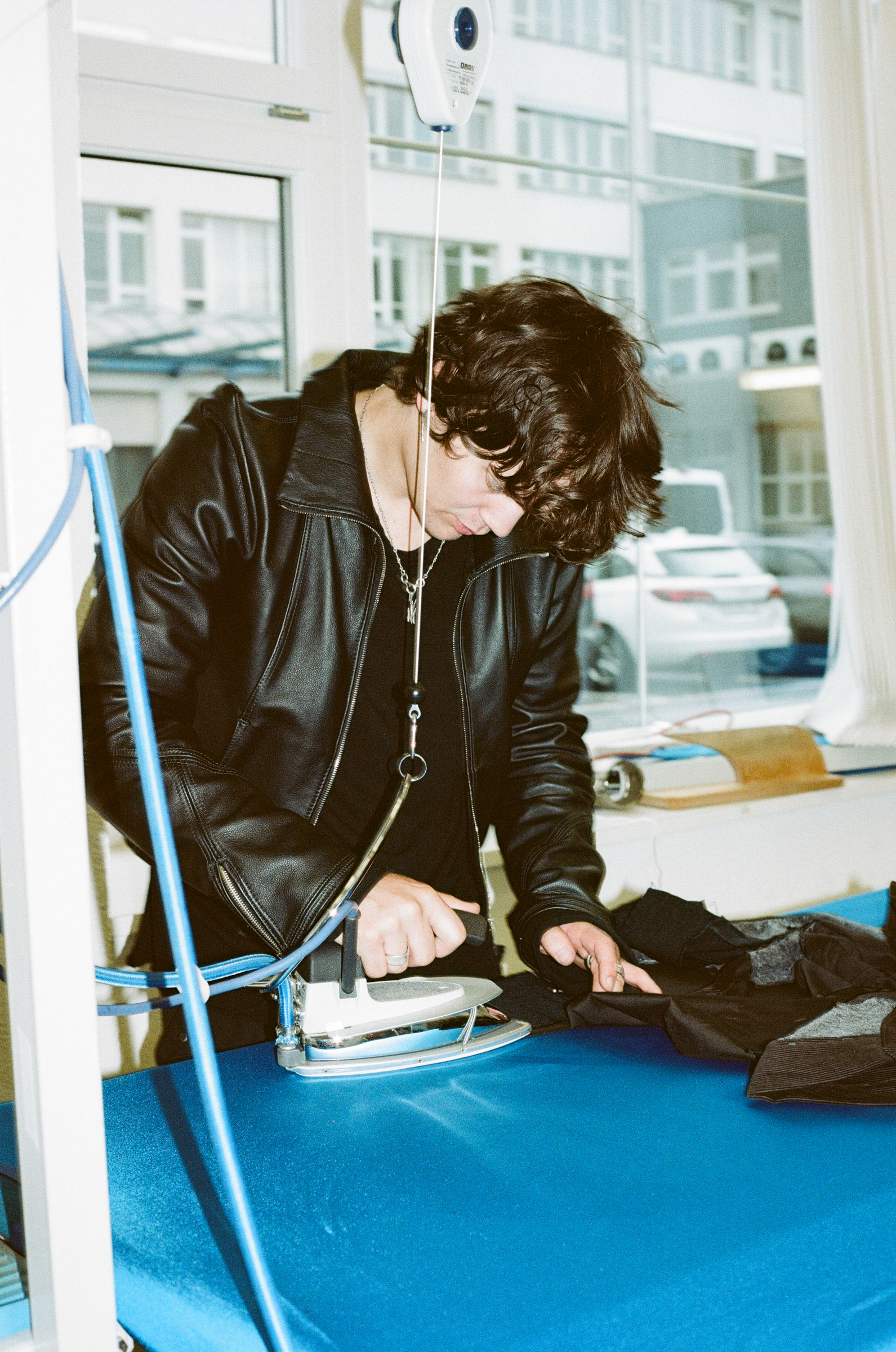
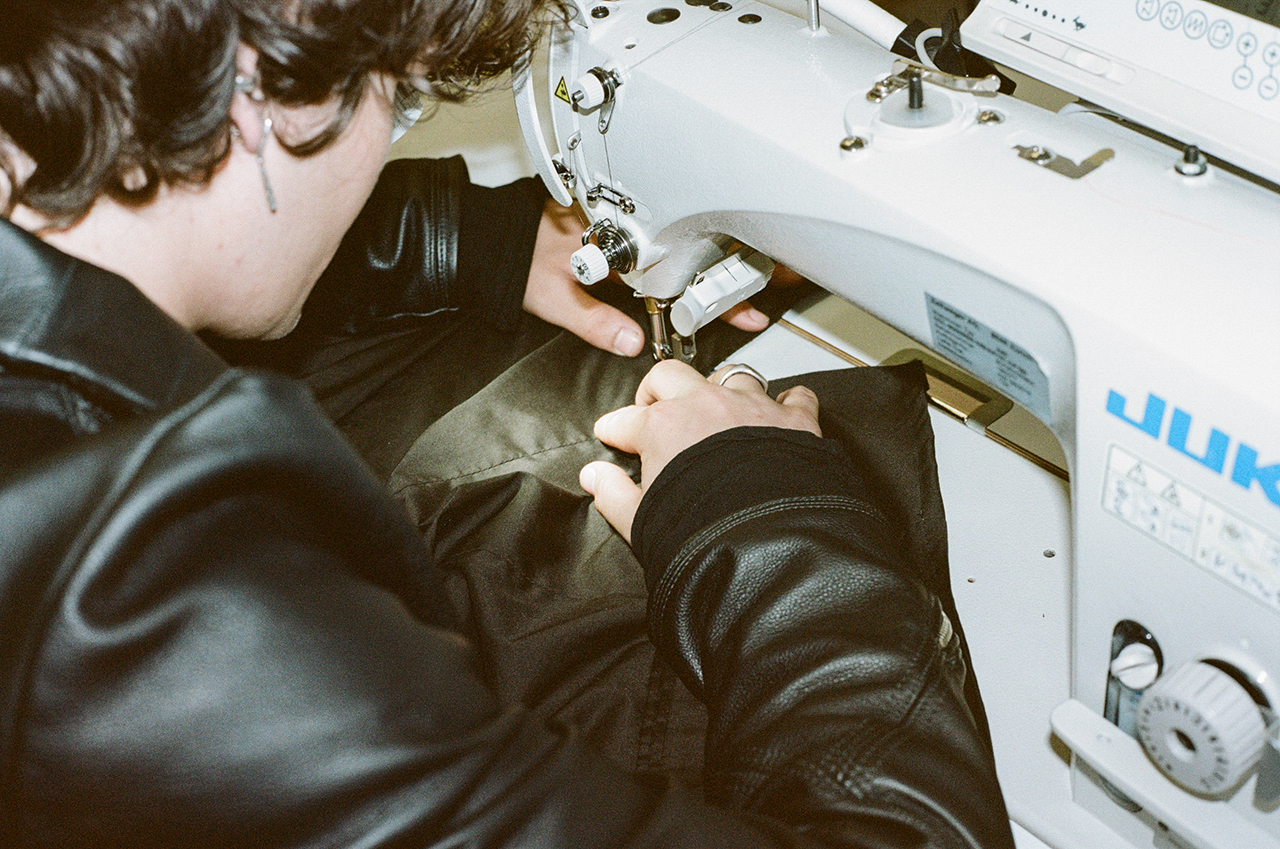
The studio and workshops are located on the first floor. This is where repairs, upcycling, and production take place, and where knowledge is shared through workshops. Much of this work is meant to emerge organically through dialogue with customers and from everyday life—for example, in the large, open space on the ground floor.
In an interview with Evelyne Roth and Michel Hueter, we take a look at the diverse selection at Kaiserhaus Good Bee—and talk with them about the visions, illusions, and challenges of sustainable retail.
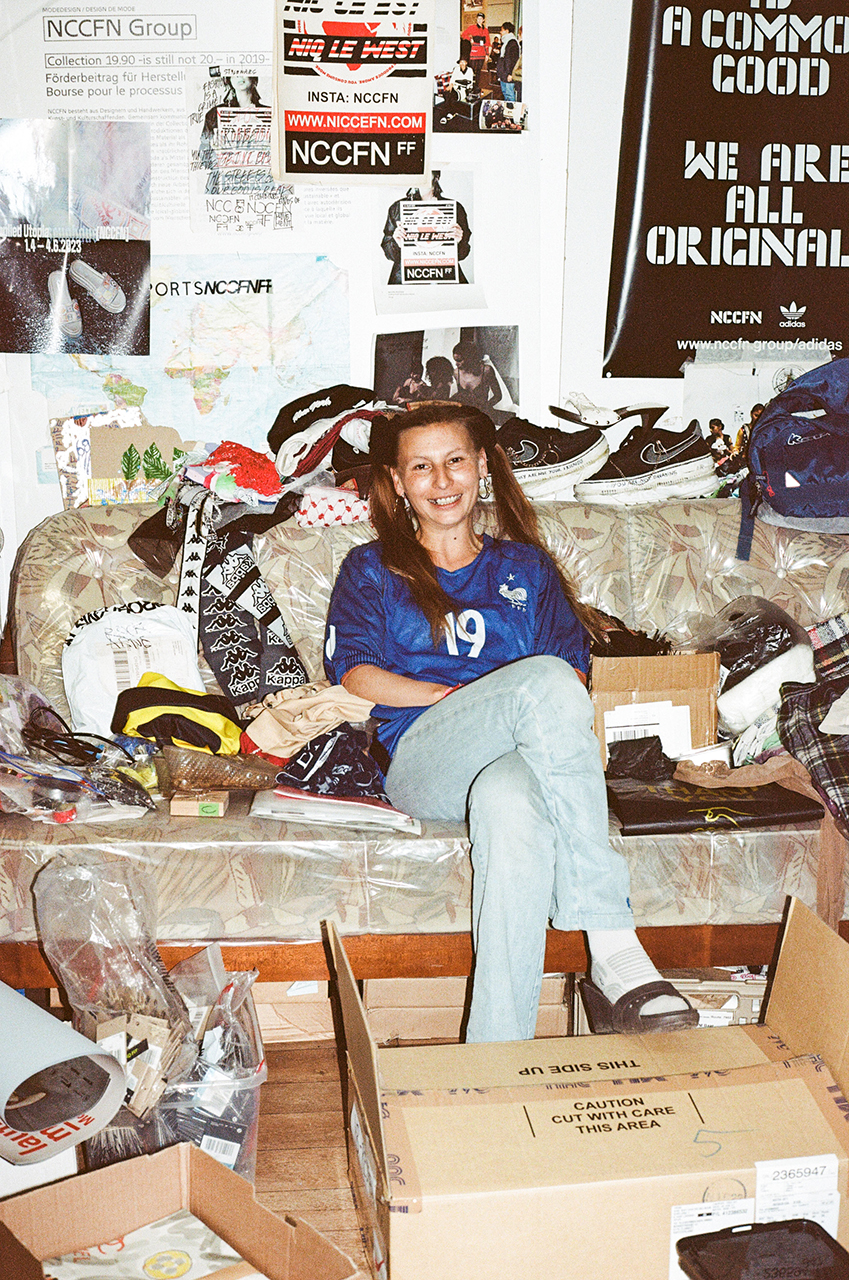
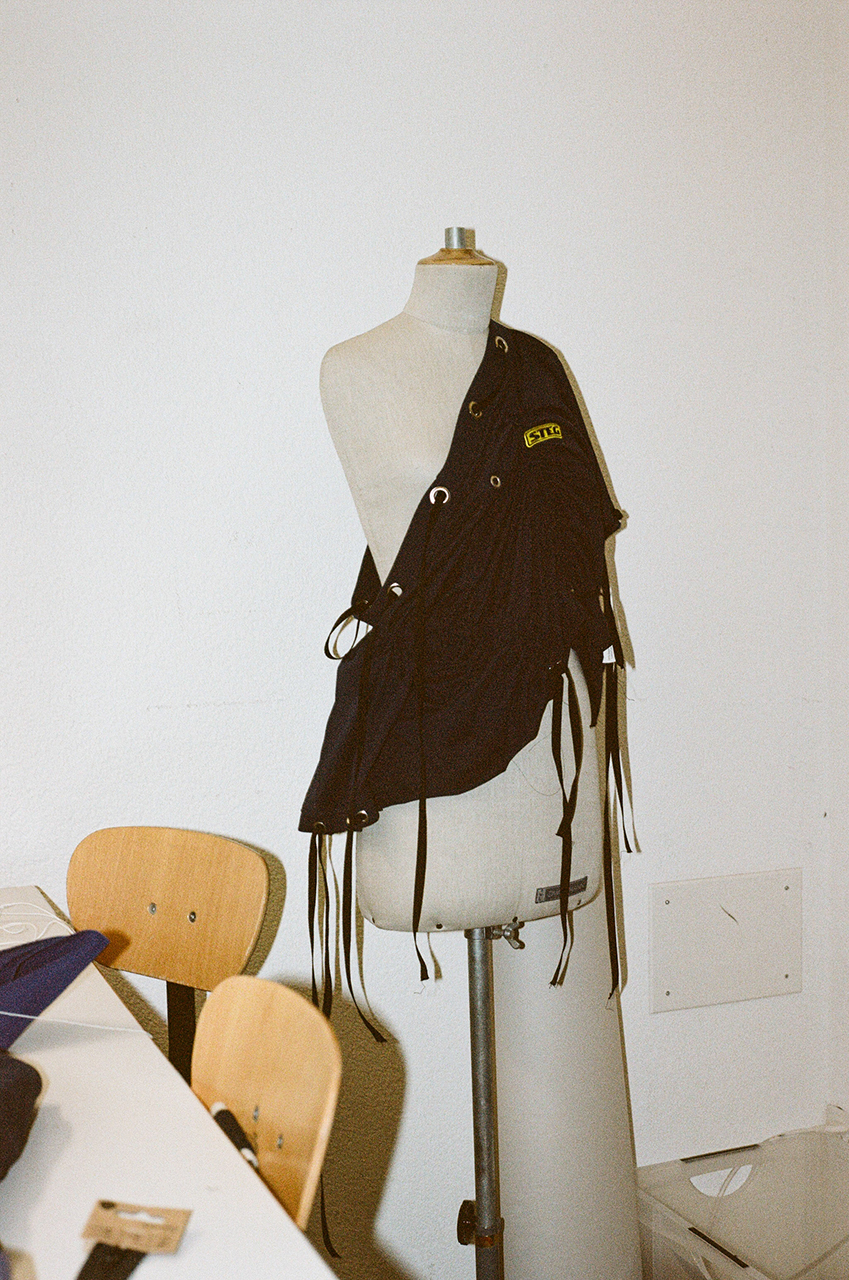
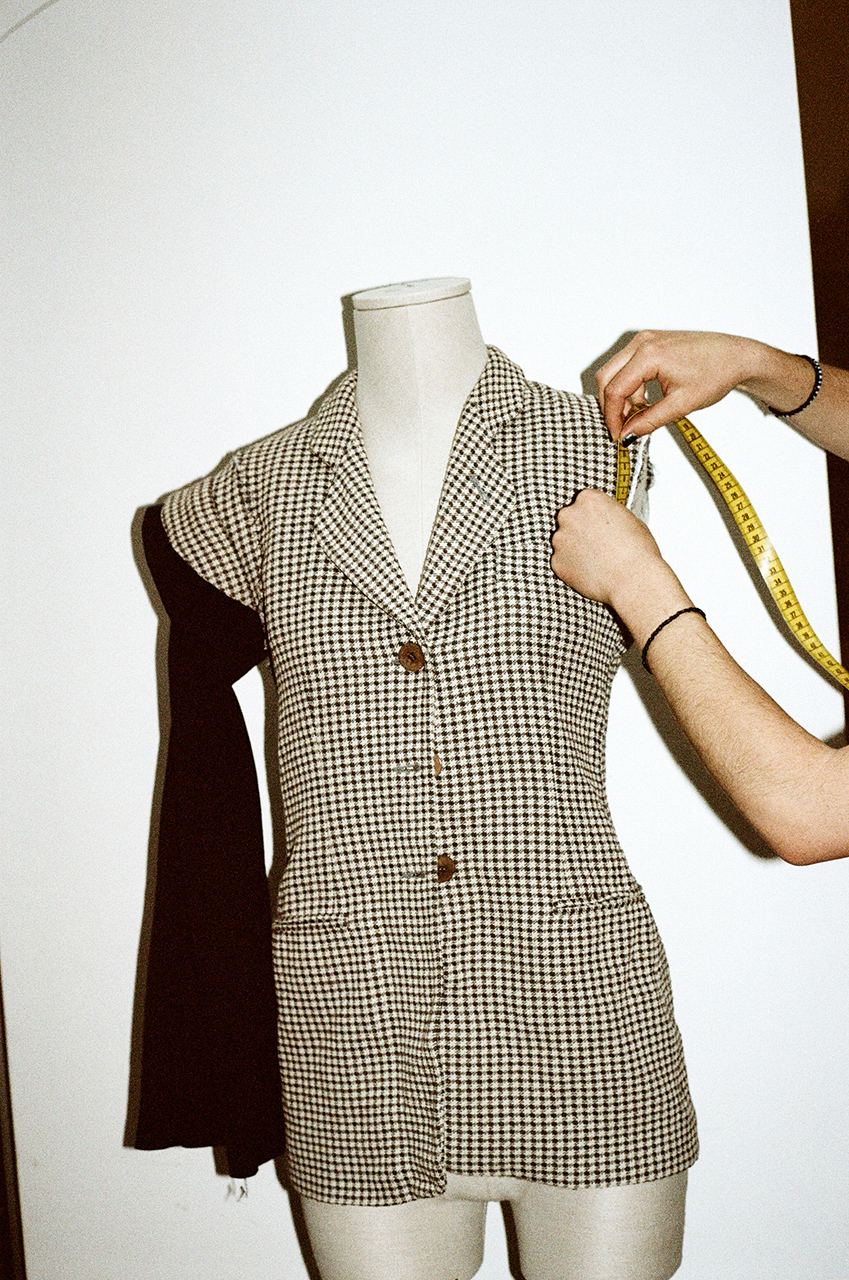
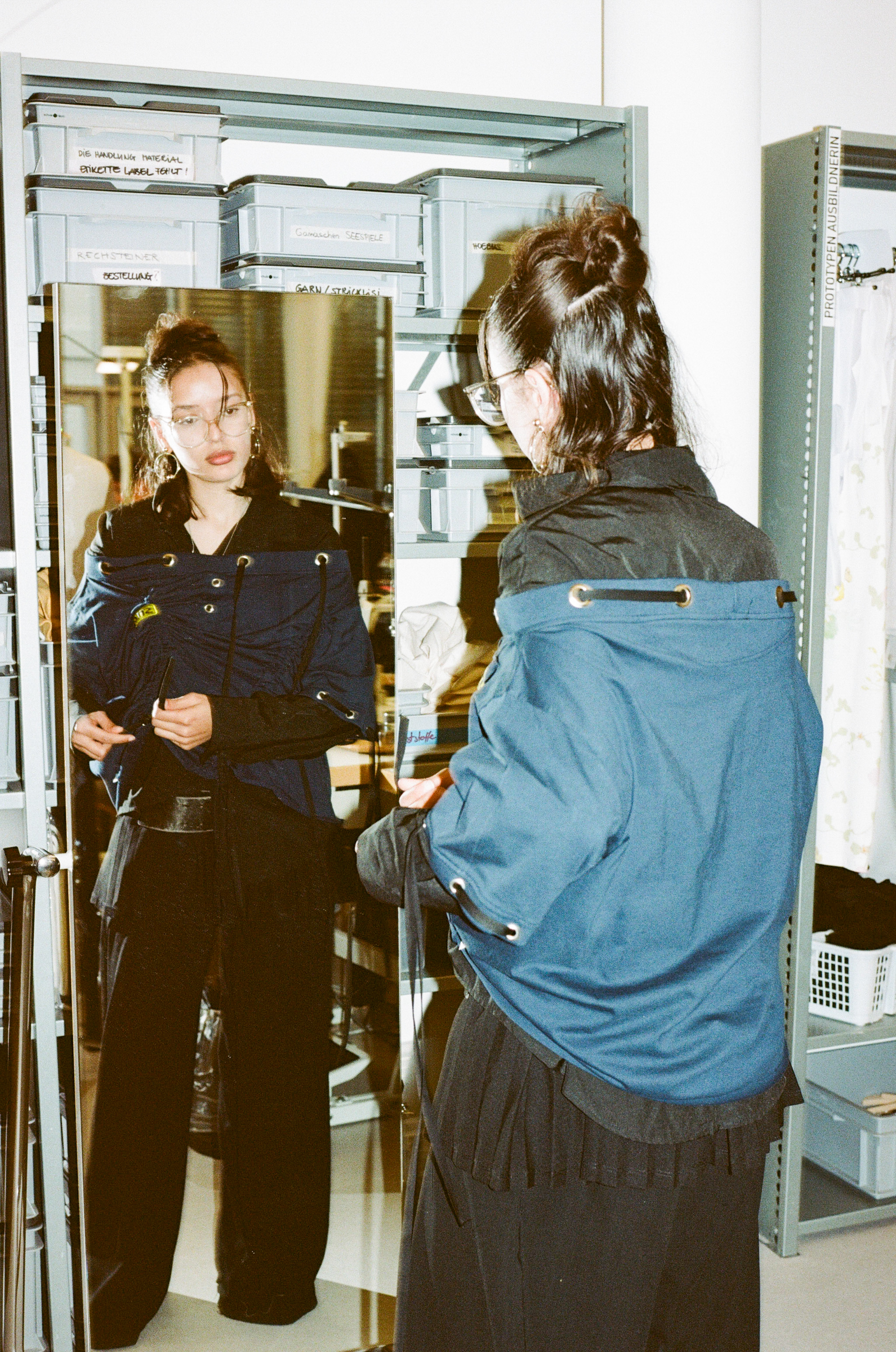
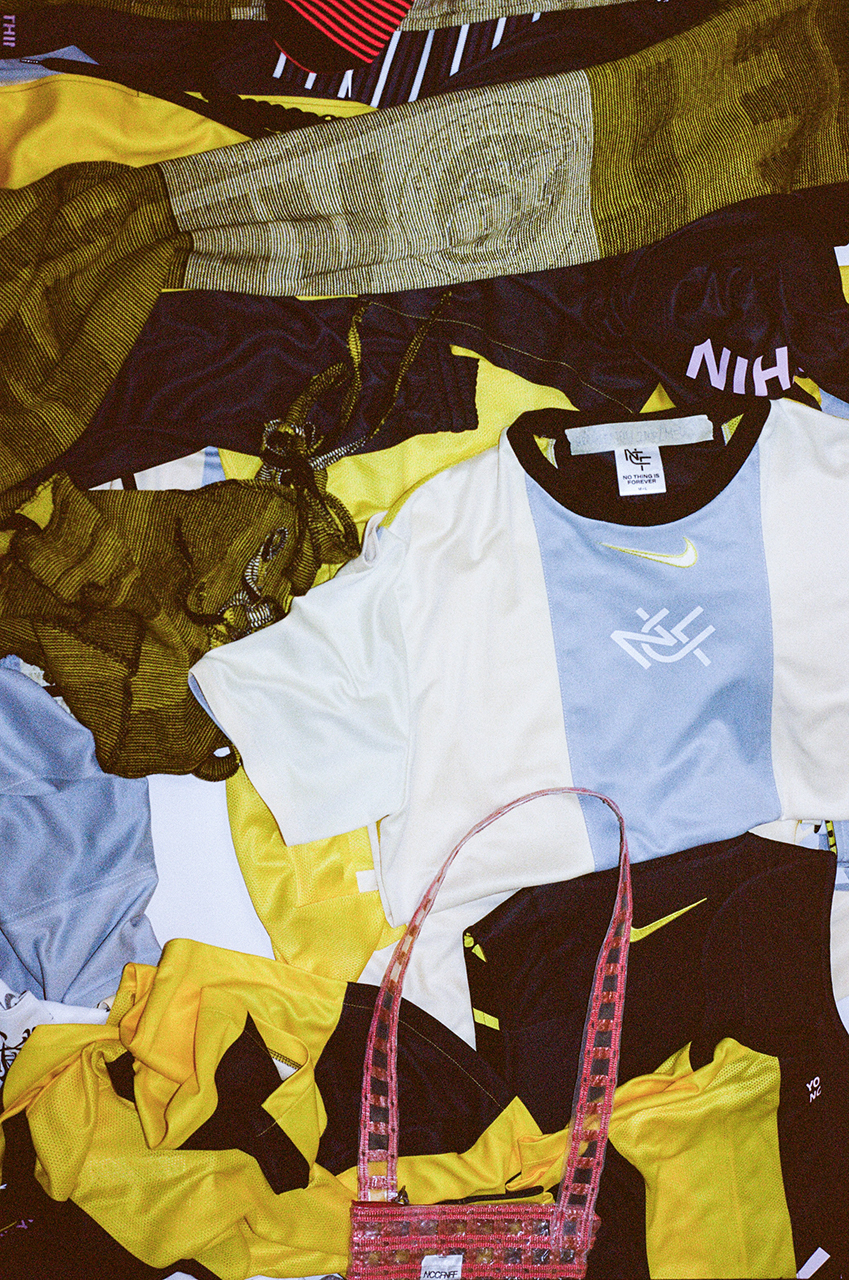
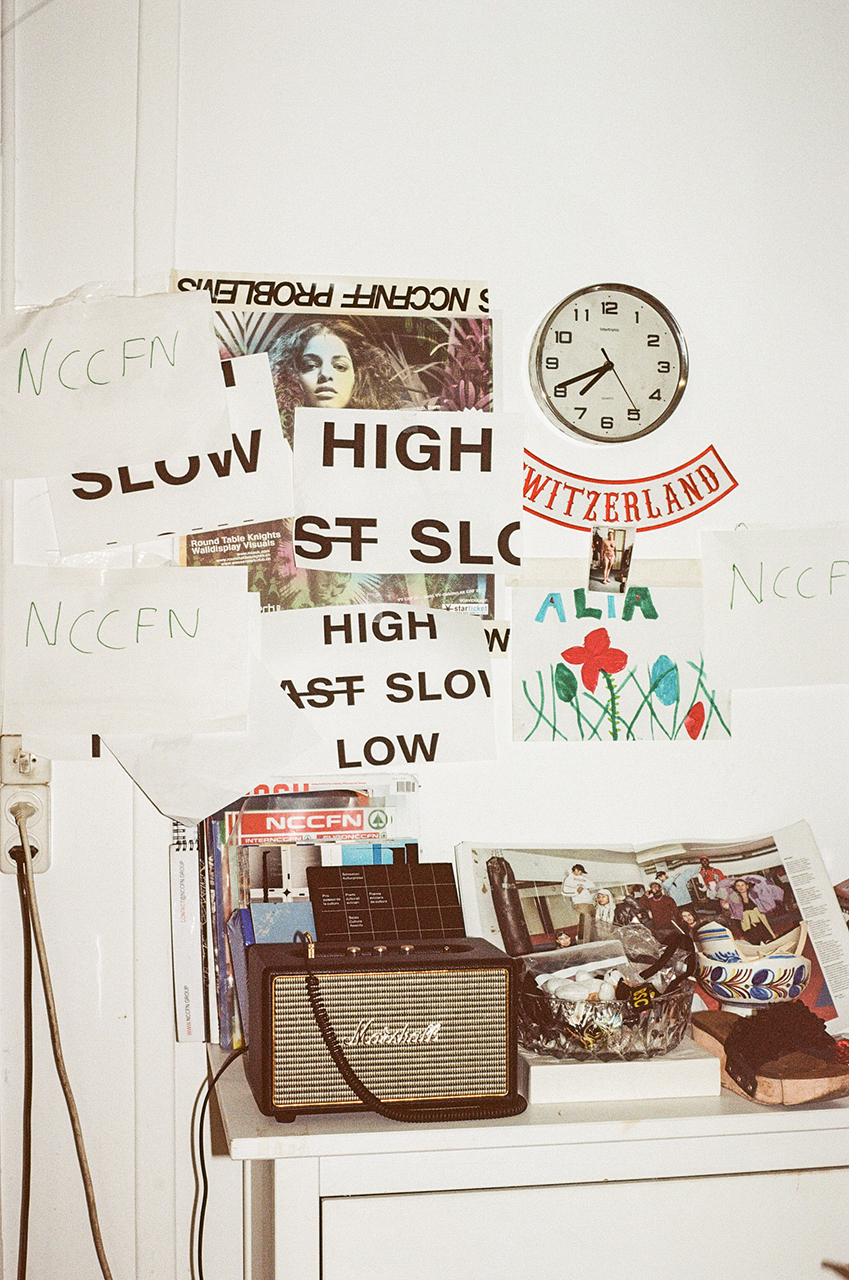
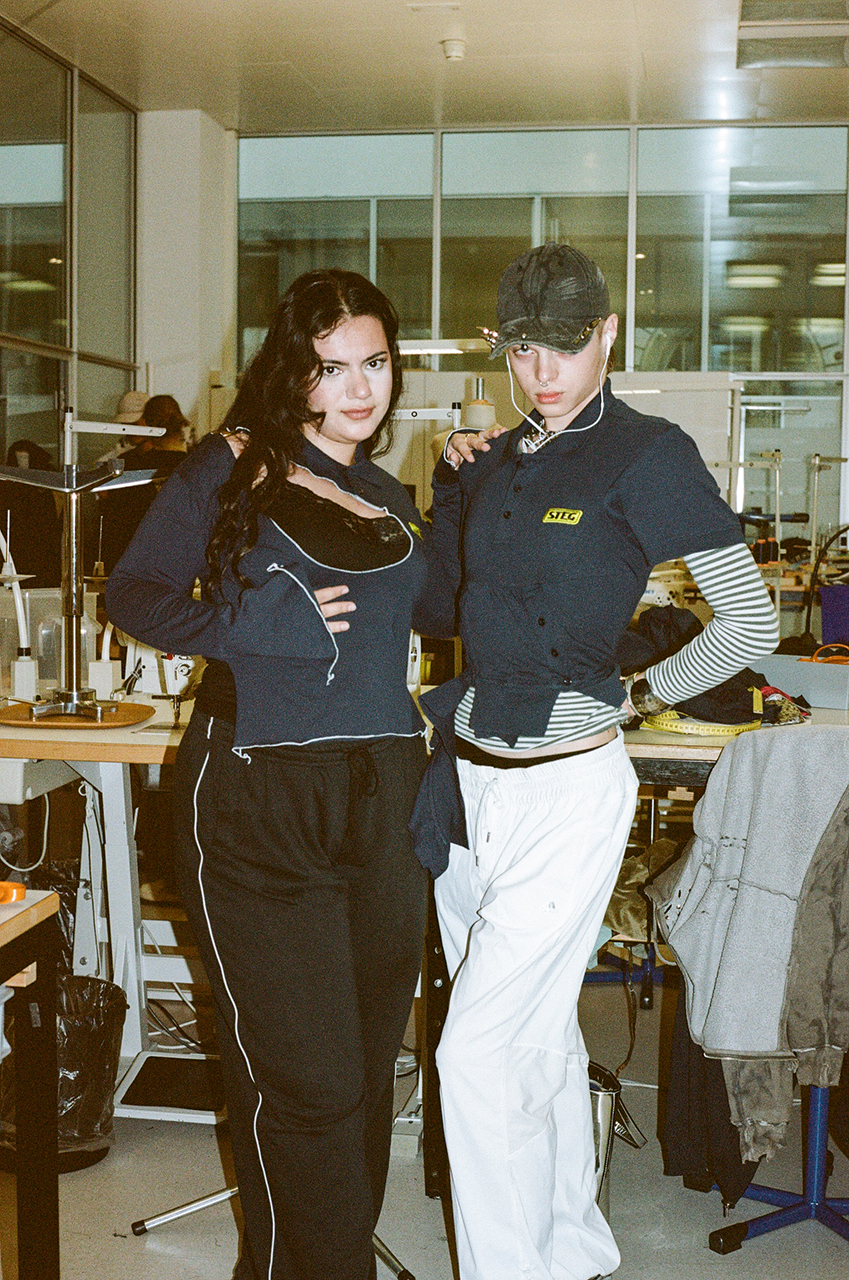
Pictured: NCCFN
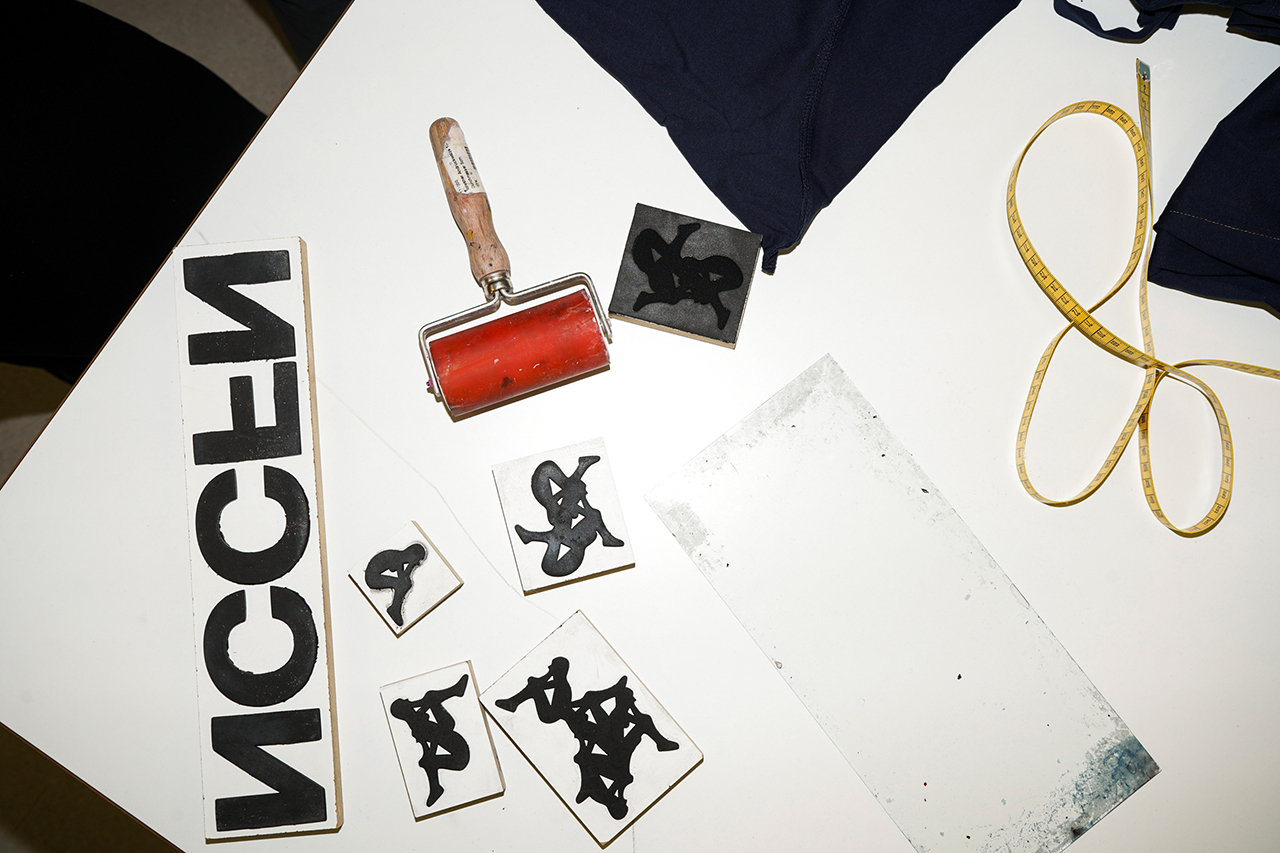
The young Bern-based fashion label NCCFN was co-founded in 2018 by designer Nina Jaun and sees itself as a critical intervention in the system of overproduction. This means that the network collaborates with overproducing companies on a one-time basis, using these collaborations to hold them up to a mirror in a smart way.
What exactly can we expect from the retail area of the Kaiserhaus?
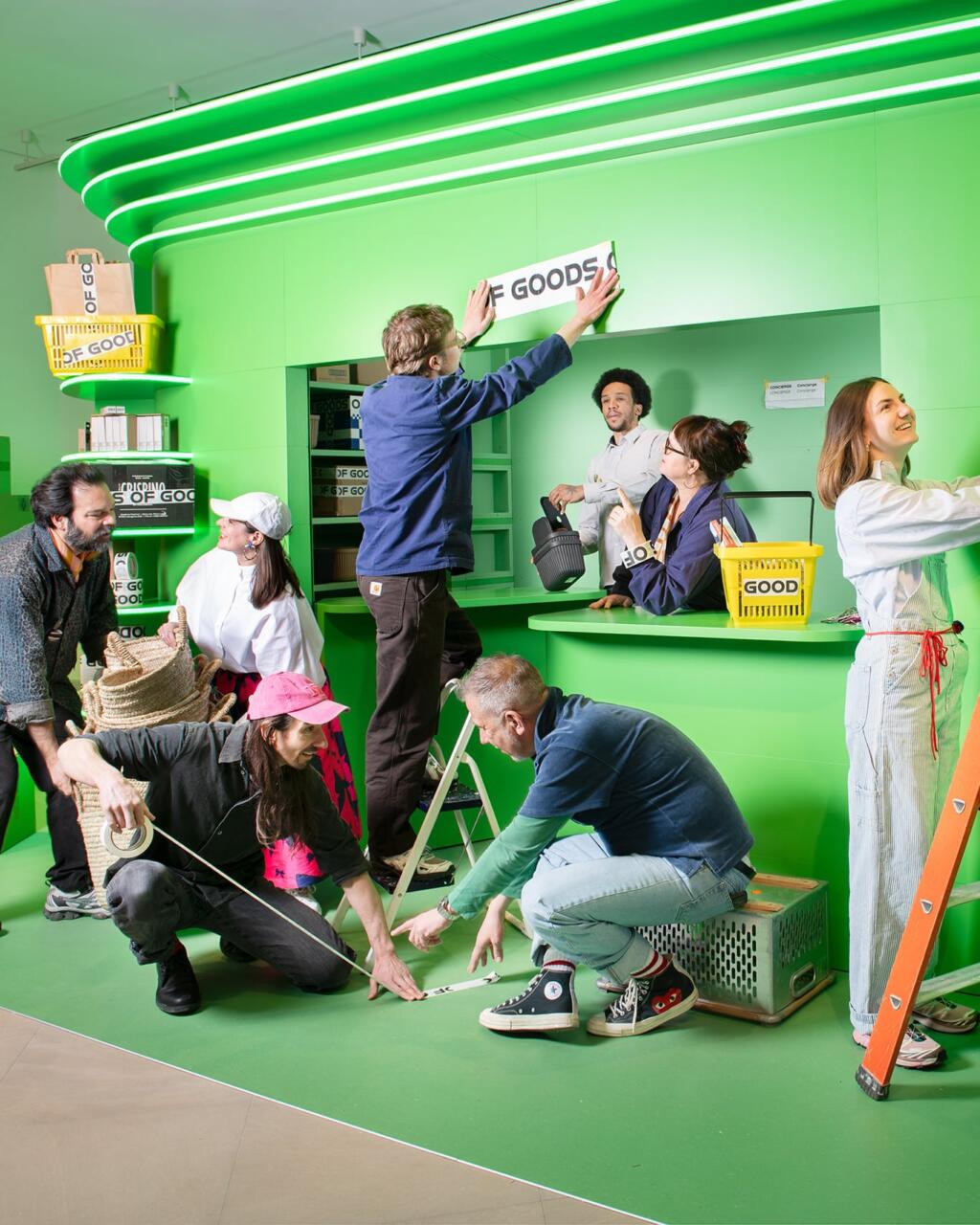
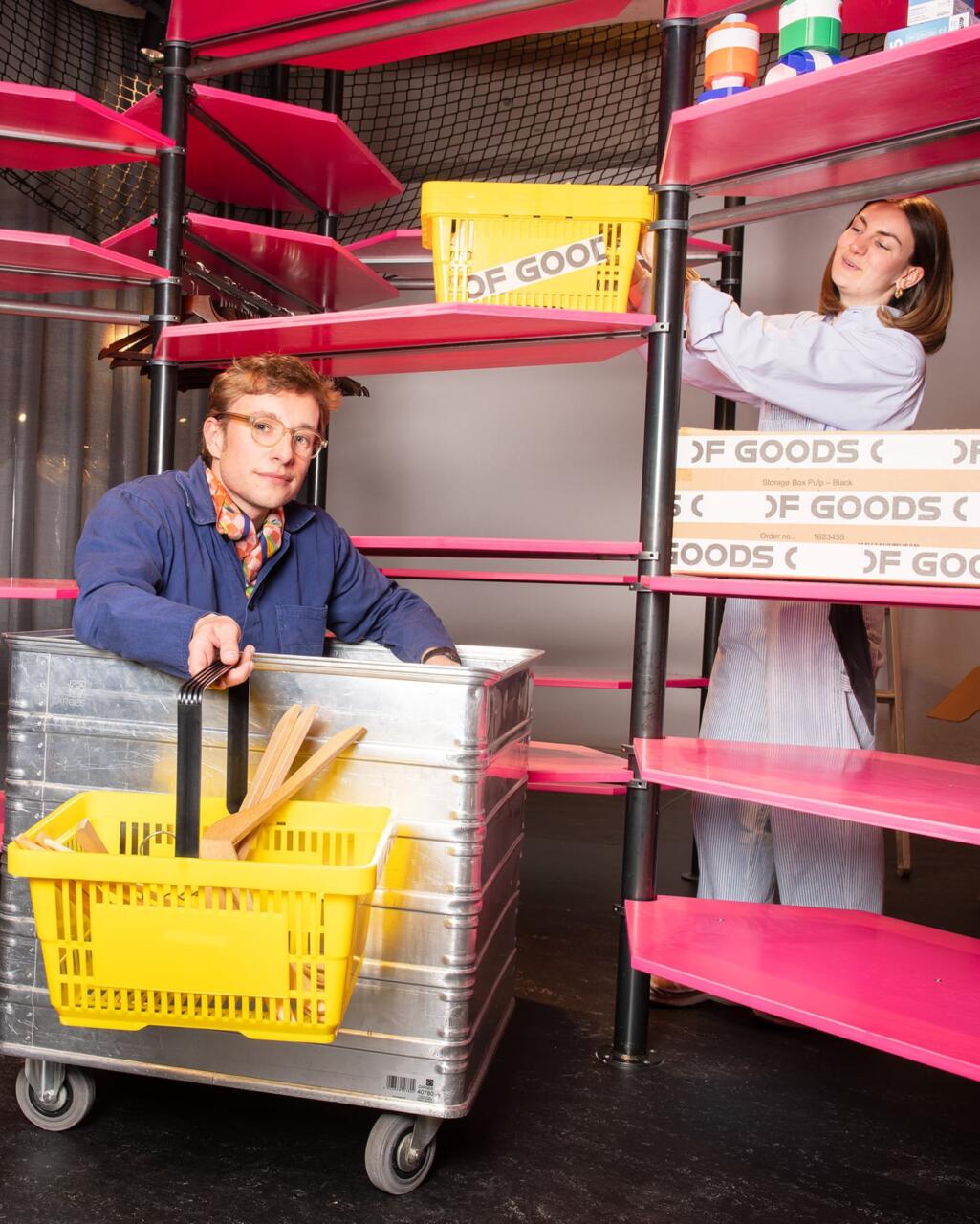
ER: An open, welcoming, and lively space for everyone. Visitors are greeted with a cup of tea. Here, you can discover new things, watch people at work, chat with artisans, or get involved yourself. It’s a bit like a modern bazaar, right in the heart of downtown Bern.
MH: We provide a platform for circularity and artisanal production. This platform allows not only producers but also consumers to help shape it. After all, circularity is always about meeting customers on equal footing and not viewing them merely as consumers.
Repair, reuse, resell: Many of these approaches sound more like the past than the future. Doesn’t that put many people off?
ER: I believe that the future can only be built on experience. The rapid pace of change over the past decades has led to an incredible amount of product wear and tear and caused us to increasingly lose touch with the value of the things around us. Circularity is based on making these values tangible again. For example, by maintaining them, repairing them, or even returning them to the cycle ourselves—the latter is, after all, also outsourced. We want to restore and maintain this connection and relationship with things. This is not something that needs to be invented, but rather rediscovered.
So far, circularity has often been seen as a step down. Will that change?
MH: Circularity isn’t a new idea in and of itself; our ancestors hardly ever threw anything away. Today’s approach, however, is based on an understanding of a sustainable economic model and aims to harmonize resource use, the environment, and people in a way that benefits all. The circular economy is currently still in its early stages. That’s why a lot of it is a matter of trial and error…
Are there any good examples in Switzerland?
MH: The company ENGA in Biel manufactures interior products from plastic collection bags. Their production and material techniques truly result in new products that enhance the value of the material. Mover in Lausanne makes plastic-free outdoor clothing—they, too, will gain new experience under the umbrella of the Kaiserhaus. We need more projects like these to broaden our horizons and discover aspects of circularity that go beyond simple recycling.
What role does regionality play in circular commerce?
ER: We live in such a globally interconnected world that, as producers, we can practically never operate entirely locally—especially in Switzerland. However, regionality can help us understand how something is created in the first place, or see ourselves as stakeholders when we shop. The brand Rework, for example, has been demonstrating for years that you can build a new brand using old clothing. Their production currently takes place in India. The studio and production facility there are directly attached to a used clothing sorting plant. Now, part of that operation is being brought to the Kaiserhaus to test what it means to do this work here on-site.
To what extent do forms of trade beyond “money for goods” play a role for you?
ER: Through their flexible pricing, labels and companies like NCCFN actively engage with buyers. For example, the price tag ranges from 60 to 180 francs. This is where the conversation begins: What am I paying for, and what am I not? What does my price cover?
MH: We’re also very interested in exchange programs and joint investments—there’s a lot we’d like to try out and create together. We’re not launching a fully developed project in April; instead, much of it will be developed collaboratively.
Events and workshops are also planned. What will be discussed and taught there?
ER: Some formats are geared more toward professionals, while others are aimed at a broader audience. For example, we’re planning sneaker refurbishing workshops where participants can learn how to repair, refresh, and clean their sneakers. As part of our ceramics workshop, the Kintsugi repair technique will be taught in classes. Visitors can also watch many artisans at work here, such as at a Geneva watchmaking workshop. It’s similar to a bazaar, where there are performances, but you can also watch people at work. We often look to the bazaar as a model anyway.
You’ve both worked in the luxury and fashion industries. Can fashion ever be sustainable and still be profitable?
ER: I think so. For me, it always comes down to the issue of volume. You need a certain variety to be able to choose and cover trends—style, expression, and culture. Today’s fast fashion has little to do with that kind of culture, in my view. The comparison between fast food and fine dining seems quite apt here. After all, both are about desire, taste, and style. Fashion should therefore still be allowed to be playful, eccentric, and trendy—and not get stuck at the basic T-shirt.
Is sustainability the new luxury?
MH: That’s a sore spot. Our goal is certainly to ensure that sustainability remains—or becomes—affordable. However, to influence the price, sustainable ideas need to be scaled up, or there needs to be a shift in mindset within large companies. The more people who get involved, the greater the accessibility.
ER: Since we have less and less sense of the true value of things, we often feel cheated when we pay more than the lowest market price. This brings me back to the image of the bazaar: there, the price is negotiated based on quality, our buying behavior, and personal circumstances until a deal is reached.
At the bazaar, trade has a lot to do with mutual trust. Are you working to build that trust here?
ER: Exactly. We need to relearn how to trade. It’s not about getting the lowest price, but about a fair deal for both sides. That’s how lasting value is created—for society and for the product. That all sounds very ideological today. But this system worked pretty well for centuries.